This post explains why mold is so common in Florida apartments, how to identify early warning signs, the health risks involved, and what tenants can legally and practically do when mold appears. It also covers prevention steps that can reduce future problems in a climate where moisture is part of everyday life.
Why Mold Is So Common in Florida Apartments
Florida’s environment is the main driver behind mold in apartment Florida residences. Mold spores exist naturally in the air, but they only grow when moisture is present. In many parts of the state, humidity levels remain above 60 percent for much of the year, which is enough to encourage mold growth indoors.
Several housing-related factors add to the problem:
- High humidity indoors caused by poor ventilation or limited air conditioning use.
- Water leaks from roofs, plumbing, or neighboring units.
- Flooding or storm damage after heavy rain or hurricanes.
- Older buildings with outdated insulation or worn seals around windows and doors.
In apartments, mold often spreads unnoticed. Moisture can move between walls or ceilings, meaning a leak in one unit may affect several others before anyone realizes what is happening.
Common Places Mold Hides in Apartments
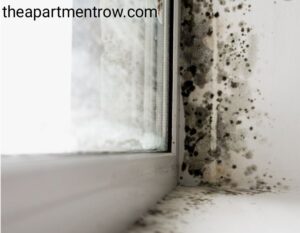
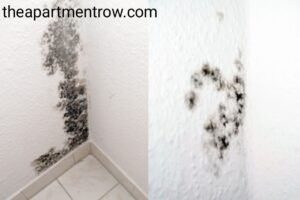
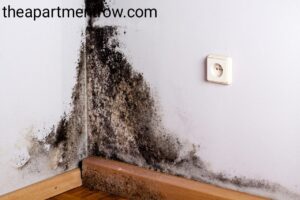
Mold does not always appear as obvious black patches on walls. In many cases, it grows quietly in hidden or low-visibility areas. Tenants dealing with mold in apartment Florida units often find it in the following places:
- Bathrooms, especially around showers, tubs, and exhaust fans
- Under kitchen sinks and behind appliances
- Inside air conditioning vents and drip pans
- Closets along exterior walls
- Behind wallpaper or baseboards
A persistent musty odor is often the first sign. Even if you cannot see mold, the smell may suggest moisture buildup behind walls or under flooring.
Health Risks Linked to Mold Exposure
Health concerns are one of the biggest reasons tenants worry about mold in apartment Florida housing. Mold affects people differently, depending on their sensitivity and overall health. Some may notice mild symptoms, while others experience serious reactions.
Common symptoms linked to mold exposure include:
- Nasal congestion and sneezing
- Coughing or throat irritation
- Skin rashes or itchy eyes
- Headaches and fatigue
People with asthma, allergies, compromised immune systems, or chronic respiratory conditions are at higher risk. Children and older adults may also be more vulnerable. According to the Centers for Disease Control and Prevention, prolonged exposure to mold can worsen asthma symptoms and contribute to respiratory infections.
Tenant Rights Under Florida Law
When mold in apartment Florida rentals becomes a problem, many tenants are unsure of their rights. Florida law requires landlords to maintain rental properties in a condition that meets basic health and safety standards. This includes fixing leaks, addressing water intrusion, and keeping structural elements in good repair.
If mold results from issues beyond the tenant’s control, such as plumbing leaks or roof damage, the landlord is generally responsible for remediation. Tenants are expected to notify the landlord in writing once they notice mold or moisture problems. This written notice creates a record and gives the landlord an opportunity to act.
If a landlord fails to respond within a reasonable time, tenants may have options that include withholding rent or terminating the lease, but these steps must follow specific legal procedures. Before taking action, it is wise to review Florida Statutes or consult a housing attorney or tenant advocacy group.
What to Do When You Discover Mold
Finding mold in your apartment can be stressful, but a calm and documented approach usually leads to better outcomes.
- Document everything. Take clear photos and videos of visible mold, water stains, or leaks. Keep copies of emails or messages sent to management.
- Notify the landlord in writing. Describe where the mold is located and when you first noticed it.
- Avoid disturbing the mold. Scrubbing or sanding can release spores into the air and worsen exposure.
- Seek medical advice if symptoms appear. A doctor’s note can be useful if health issues arise.
Can Tenants Clean Mold Themselves?
Small areas of surface mold may seem manageable, but caution is necessary. Florida health agencies generally advise that tenants avoid cleaning large or recurring mold growth on their own, especially if it covers more than a few square feet.
Minor surface mold on non-porous surfaces can sometimes be cleaned using household solutions, provided the source of moisture has been fixed. However, if mold returns, spreads, or appears inside walls or HVAC systems, professional remediation is usually required.
The Environmental Protection Agency emphasizes that moisture control is the key factor. Without fixing leaks or humidity issues, cleaning alone is temporary.
How Landlords Typically Handle Mold Remediation
When landlords take mold complaints seriously, remediation often involves more than wiping down walls. A proper response may include:
- Identifying and repairing the moisture source
- Removing affected drywall or insulation
- Using commercial-grade drying and dehumidifying equipment
- Testing air quality after cleanup
During this process, tenants may be asked to temporarily vacate the unit, especially if extensive repairs are needed. Policies vary, so reviewing your lease and local regulations is important.
Preventing Mold in Florida Apartments
While not all mold problems are preventable, tenants can reduce risk by managing moisture as much as possible.
- Use bathroom and kitchen exhaust fans during and after use.
- Keep air conditioning running to control indoor humidity.
- Wipe down wet surfaces promptly.
- Avoid drying clothes indoors without ventilation.
- Report leaks immediately, even if they seem minor.
Simple habits can make a noticeable difference, particularly during Florida’s rainy season.
Choosing a Mold-Conscious Apartment
For renters planning a move, past mold issues should be part of the decision-making process. When touring apartments, look for signs of water damage, ask about recent renovations, and inquire about how maintenance requests are handled.
Listings and guides on Florida apartment options often highlight newer properties or buildings with modern ventilation systems, which can reduce mold risk.
Living With Confidence Despite Florida’s Climate
Mold in apartment Florida living is a challenge shaped largely by climate, but it does not have to define the rental experience. Awareness, early action, and clear communication with landlords are the most effective tools tenants have. Understanding rights, recognizing warning signs, and taking preventive steps can protect both health and peace of mind.
In a state where humidity is unavoidable, staying informed is often the difference between a manageable issue and a long-term problem.