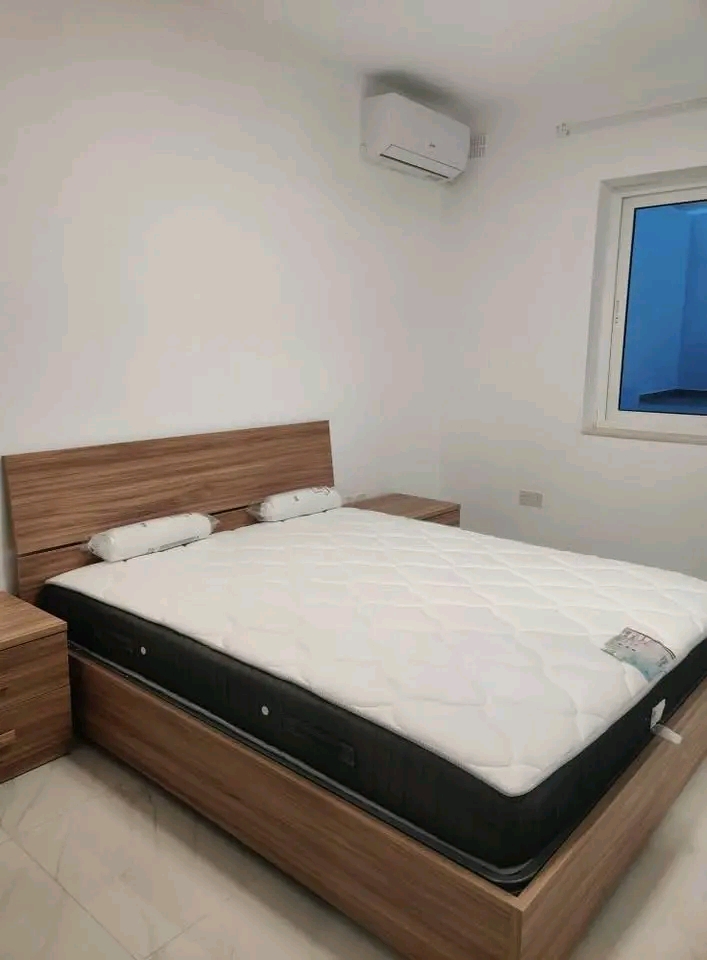
Across Mississippi, halfway houses offer more than just a place to sleep. They provide structure, peer accountability, access to counseling, job-readiness support, and a safe environment where residents can focus on rebuilding their lives without the pressures that often lead to relapse or recidivism.
What Are Halfway Houses?
A halfway house is a supervised residential setting designed to help individuals reintegrate into society. Residents typically stay for a fixed period while following house rules, attending programs, maintaining employment or education, and working toward personal goals.
In Mississippi, halfway houses commonly serve:
- Individuals transitioning from state or federal incarceration
- People completing inpatient drug or alcohol rehabilitation
- Probation or parole clients requiring structured housing
- Individuals seeking sober living environments
While some halfway houses are court-mandated, many accept voluntary residents who want accountability and support during a critical phase of recovery or reentry.
Why Halfway Houses Matter in Mississippi
Mississippi faces challenges related to incarceration rates, substance abuse recovery, and access to stable housing. For many people, returning directly to their previous environment increases the risk of relapse or reoffending. Halfway houses in Mississippi help reduce those risks by offering:
- Stable and affordable housing
- Daily structure and supervision
- Access to counseling and life-skills programs
- Connections to employment opportunities
- Supportive peer communities
Studies consistently show that individuals who complete transitional housing programs are more likely to remain sober, find employment, and avoid future legal trouble.

Types of Halfway Houses in Mississippi
1. Reentry Halfway Houses
These homes focus on individuals leaving correctional facilities. Residents often work jobs during the day while attending counseling or reentry programs in the evenings. Many operate in coordination with probation or parole officers.
2. Sober Living and Recovery Homes
Recovery-focused halfway houses emphasize long-term sobriety. Drug and alcohol testing, mandatory meetings, and peer accountability are common. These homes are often used after detox or residential treatment.
3. Faith-Based Transitional Housing
Mississippi has a strong network of faith-based halfway houses that combine spiritual guidance with practical life skills. Participation in religious activities may be encouraged or required, depending on the program.
4. Specialized Halfway Houses
Some programs serve specific populations, such as women, veterans, or individuals with co-occurring mental health conditions. These homes often provide tailored counseling and case management services.
Rules and Expectations in Mississippi Halfway Houses
Although each facility has its own policies, most halfway houses in Mississippi maintain clear expectations to create a safe and productive environment:
- Curfews and scheduled check-ins
- Mandatory employment, job searching, or education
- Random drug and alcohol testing
- Participation in counseling or group meetings
- Respect for house rules and fellow residents
Failure to follow these rules can result in warnings or dismissal, especially for court-ordered placements.

Cost of Halfway Houses in Mississippi
Costs vary widely depending on location, services offered, and funding sources. Some halfway houses are fully funded by government agencies or nonprofit organizations, while others require weekly or monthly program fees.
Typical costs may include:
- Weekly program fees ranging from $75 to $200
- Application or intake fees
- Shared responsibility for utilities or food
Compared to private rentals, halfway houses are often a more affordable option, especially for individuals rebuilding credit or employment history. For those seeking longer-term housing after completing a program, exploring affordable rentals can be a helpful next step. Resources like affordable apartments in Mississippi can support that transition.
How to Find Halfway Houses in Mississippi
Finding the right halfway house depends on individual needs, legal requirements, and personal goals. The following resources are commonly used:
- Mississippi Department of Corrections (MDOC): Provides reentry housing referrals for eligible individuals
https://www.mdoc.ms.gov/ - SAMHSA Treatment Locator: Lists recovery housing and treatment programs nationwide
https://findtreatment.gov/ - Local probation or parole offices
- Nonprofit and faith-based organizations
Housing location also matters. Urban areas may offer more program options, while smaller towns often provide quieter environments. Those planning ahead may also want to review housing availability in cities like Jackson through guides such as apartments for rent in Jackson, MS.
Who Is Eligible for Halfway Houses?
Eligibility varies by facility. Some halfway houses in Mississippi accept only court-referred residents, while others welcome voluntary participants. Common eligibility factors include:

- Completion of detox or inpatient treatment
- Non-violent offense history (for some programs)
- Willingness to work or attend school
- Commitment to sobriety or rehabilitation goals
Most programs conduct interviews to ensure a good fit between residents and the house environment.
Life After a Halfway House
Graduating from a halfway house is a significant milestone. Residents often leave with improved coping skills, employment experience, and a stronger support network. The next step usually involves securing independent housing.
For individuals with limited income or rental history, exploring low-income housing options in Mississippi can make the transition smoother and more sustainable.
Common Questions About Halfway Houses in Mississippi
Are halfway houses the same as shelters?
No. Halfway houses are structured programs with rules, supervision, and goals. Shelters typically provide short-term emergency housing without long-term programming.
Can residents leave during the day?
Most halfway houses allow residents to leave for work, school, or approved activities, as long as curfews and check-ins are followed.
How long can someone stay?
Length of stay varies by program, ranging from a few months to over a year, depending on progress and program guidelines.
Final Thoughts
Halfway houses in Mississippi provide a vital pathway for individuals seeking stability, accountability, and a second chance. By combining housing with structure and support, these programs help residents rebuild confidence, independence, and direction.
Whether the goal is sobriety, successful reentry, or a fresh start, choosing the right halfway house can make a meaningful difference. With the right environment and resources, long-term stability becomes not just possible, but achievable.