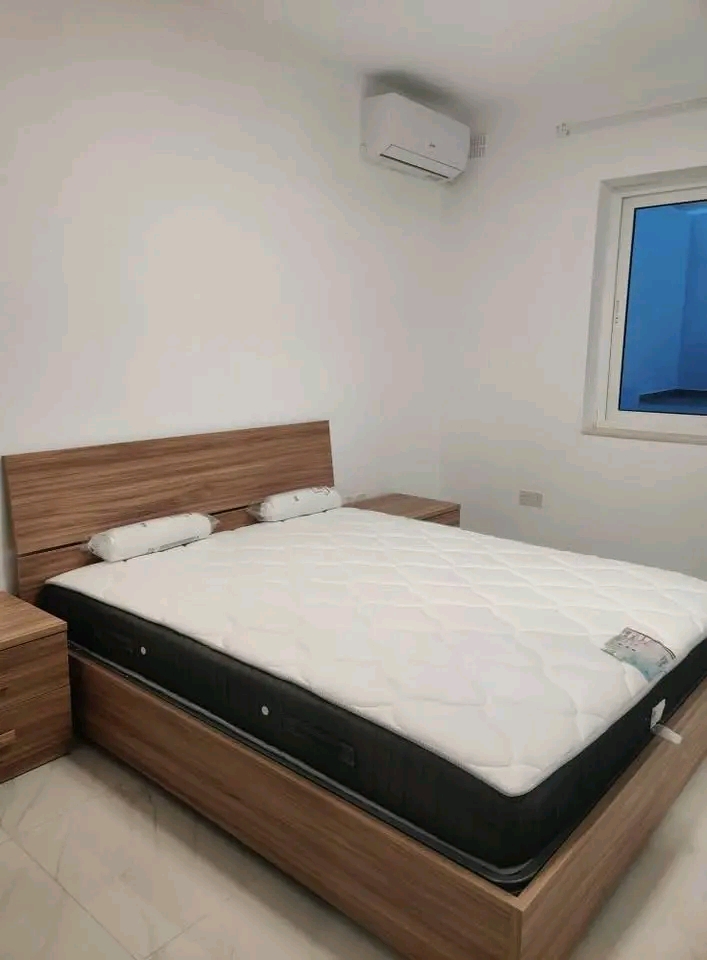
📊 What Does “1 Bedroom Apartments In California” Costs (2025)?
Because California is so large and diverse, rent for a 1‑bedroom apartment can vary dramatically depending on city, neighborhood, and building quality. That said, there are some useful statewide averages to help you set expectations:
- On average, a one‑bedroom apartment statewide rents for around $2,408 / month as of late 2025.
- Some sources put the 1‑bedroom median slightly lower — about $2,208 / month.
- Smaller or more affordable cities tend to be cheaper: for example, in the state capital Sacramento, CA, the median rent for a one‑bedroom was reported at around $1,390/month as of October 2025.
In practice, this means if you’re looking at 1‑bedroom apartments in major urban or coastal areas — think big cities with strong job markets — you should budget around $2,400/month or more. But if you aim for smaller cities or suburbs, you may find more budget‑friendly options closer to $1,400–$1,800/month.
Read Also: CALIFORNIA CHEAP APARTMENTS 2026
⚠️ Why Rent Varies So Much: Factors That Affect 1‑Bedroom Prices
Several factors influence why 1‑bedroom rents vary across California:
- Location & Demand: Big metro areas and coastal cities attract more renters — higher demand pushes rent up. Conversely, inland or less-populated regions see lower demand and cheaper rents.
- Neighborhood & Building Quality: Newer buildings, modern amenities (parking, laundry, gym, security), and proximity to transit or business districts tend to cost more. Older buildings or farther‑out suburbs tend to be cheaper.
- Market-wide Trends: Statewide economic shifts, job opportunities, and housing supply constraints affect all apartments.
- Unit Size & Layout: Even among 1‑bedroom apartments, square footage and layout quality differ — 700 sq ft vs 500 sq ft, open vs compact, newer vs dated. That affects rent significantly.
🔎 Where to Look: Typical Cities and What to Expect
Here’s a rough breakdown of what 1‑bedroom renters often find, depending on city or region:

- Major Metro Areas / Coastal Cities: Expect the higher end of rent range (≈ \$2,400–\$3,000+). These areas tend to offer convenience, amenities, and proximity to jobs or transit hubs.
- Mid-size Cities / Suburbs / State Capital / Inland Areas: More affordable 1‑bedroom rates—often in the \$1,300–\$1,800 range — particularly when you trade off proximity to downtown amenities for quieter, suburban or smaller-city living (like in Sacramento).
- Older Buildings or Less Central Neighborhoods: Lower rent but possibly fewer amenities. Good for someone prioritizing budget over luxury.
🏠 Renting in California: What Landlords Must & What You Should Know
Renting in California comes with rules and expectations — if you know them, you’ll avoid potential headaches.
- Tenant Rights & Landlord Obligations: Landlords must give 24‑hour notice before entering a rental unit for maintenance/inspection (unless there’s an emergency).
- Get Everything in Writing: Verbal lease or informal agreement can lead to disputes. Always ensure lease terms — rent amount, utilities, duration, obligations — are in writing.
- Inspect the Unit Carefully: Before signing, walk through the apartment with the landlord or property manager, document its condition — photos or video help. This protects you when you eventually move out. Many renters on forums recommend this.
- Understand Extra Costs: Rent isn’t everything — expect deposits, possible extra fees (parking, amenities, maintenance), plus utilities, which in California tend to be higher than national average.
📝 Smart Tips for Finding & Securing a 1‑Bedroom Apartment in California
Here are actionable tips — from experience and real renters — to make your apartment hunt smoother and smarter.

- Know Your Budget — and Be Realistic: Include rent, utilities, security deposit, possible extras (parking, maintenance fees) when budgeting. If you’re applying for an apartment, some Reddit renters recommend having at least 2.5× the rent saved up (first‑month rent + deposit + moving costs + small buffer).
- Inspect Before You Sign: Walk through the unit, video/photograph the condition, check appliances, plumbing, security (especially for older buildings).
- Read the Lease Carefully: Make sure lease spells out rent, utilities, maintenance responsibilities, guest/pet policies, parking, security deposit terms. Avoid hidden fees. Many renters reported surprise extra charges when lease wasn’t clear.
- Consider Location vs. Price Tradeoff: If you work downtown but rent is steep, checking suburbs or less central cities may save you hundreds monthly — albeit with longer commute. Think about commute, lifestyle, public transit, and parking.
- Time Your Search Strategically: Rental markets in California fluctuate. Sometimes there’s more turnover, or landlords offer promotions (discounted first‑month rent, waived fees). Try to hunt outside peak demand periods if possible.
✅ Who Should Consider a 1‑Bedroom in California?
A 1‑bedroom apartment can be a great option if you:
- Are a young professional or student prioritizing independence and privacy.
- Prefer simplicity — fewer roommates, less hassle on sharing bills or conflicts.
- Work in or near a city and value convenience, transit, proximity to work/social life.
- Are willing to budget carefully and perhaps sacrifice some luxe amenities for lower rent or better location.

🔗 Useful Resources for Renters
If you want to dig deeper into tenant laws or search tools for apartments, here are helpful pages:
- Understanding Rental Laws in California — overview of landlord/tenant laws and what to expect.
- California Rental Market Trends (RentCafe) — up‑to-date data on statewide median rents broken down by unit type.
- Zillow Rental Market Trends – California — another perspective on average rent and availability across the state.
🎯 Final Thoughts
“1 bedroom apartments in California” can mean luxury close to the beach, or modest and affordable in the suburbs — depending on what you’re willing to trade off. With statewide averages hovering around $2,400/month, many renters find themselves balancing cost, convenience, and lifestyle. But with careful planning, clear leases, and a realistic budget, it’s entirely possible to find a suitable home without breaking the bank.
Whether you’re new to California or relocating within the state, treat your search like a small investment: check the numbers, inspect the unit, know your rights, and always read the fine print. A little effort upfront can save you from a lot of stress later.