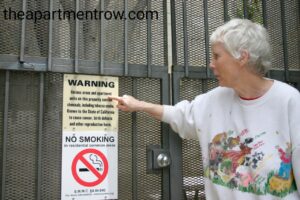
Does California Law Smoking In Apartments exists?
Quick answer: Yes — under California law landlords generally have the legal right to adopt smoke-free rules for rental properties, including banning smoking inside individual units and common areas. However, local ordinances and special housing programs (like public housing) can add extra rules, and the way a no-smoking rule is adopted, disclosed, and enforced matters.
Why this matters: secondhand smoke and apartment living
Secondhand smoke easily drifts through walls, vents, windows and under doors — so smoking in one unit can impact neighbors’ health and habitability. Public health authorities and housing advocates cite evidence that smoke-free multiunit housing policies reduce involuntary exposure and related health risks for residents.
What California state law says
The key practical point is that California law permits landlords to prohibit smoking on their property and to include no-smoking clauses in leases or rental agreements. That means property owners can designate buildings, units, or common areas as nonsmoking and can require new leases to include those terms. The specific rights and processes are set out in state civil code and amplified by public-health guidance.
Local rules — cities and counties matter a lot
While state law allows landlords to set smoke-free policies, many California cities and counties have passed ordinances regulating smoking in multiunit housing, sometimes banning smoking on balconies and patios. This means rules and enforcement can differ depending on your location. Coastal and Bay Area cities, for example, often have stricter multiunit smoking restrictions.

Public housing and HUD guidance
Federally subsidized housing programs follow HUD guidance that encourages smoke-free policies and reasonable accommodation processes. Public housing authorities implementing no-smoking rules must consider disabilities and accommodation requests while protecting non-smoking residents. Residents should contact their housing authority for details on specific policies.
How landlords legally implement a smoking ban
- Lease clauses: Landlords can add a no-smoking clause to new leases and, sometimes, renewals. The clause should specify what is banned (tobacco, vaping, cannabis) and where (units, balconies, patios, common areas).
- Notice: Courts and ordinances often expect clear notice when converting units to nonsmoking — some local laws require written notice to existing tenants before changes take effect.
- Enforcement: Remedies typically include lease enforcement (warnings, fines if permitted, eviction for repeated violations) or civil action if necessary. Enforcement is usually civil rather than criminal.
Tenant protections and what you can do if smoke drifts into your unit
- Talk to your landlord: Put your complaint in writing and document dates and times when smoke enters your unit.
- Check your lease: If it contains a no-smoking clause, the landlord is contractually able to enforce it. If not, ask whether a policy can be adopted.
- Explore local ordinances: Some cities allow residents to report violations or require landlord notification before converting buildings to nonsmoking.
- Document health impact: Keep records of health problems, medical visits, and how smoke exposure affects you.
- Seek legal help: Tenant clinics, legal aid, or housing attorneys can advise on habitability, nuisance, and lease enforcement claims.
Common landlord concerns and solutions
Landlords often worry about enforceability and tenant backlash. Practical strategies include:

- Clear lease language specifying prohibited products and places (including balconies and porches if desired).
- Providing reasonable notice for any policy changes and consistent enforcement.
- Designated outdoor smoking areas situated away from building air intakes and common spaces.
- Educational materials for tenants about secondhand smoke and the new policy.
Vaping and cannabis — are they different?
Many smoke-free policies explicitly include vaping (e-cigarettes) and cannabis because aerosolized vapors carry odor and particulates that travel between units. Naming these products specifically in lease language ensures stronger enforcement. Local ordinances in California increasingly regulate vaping and cannabis in multiunit housing.
Practical checklist if you’re a tenant dealing with secondhand smoke
- Record dates/times of smoke incidents and sources.
- Take photos or video of smoke entering vents, windows, or shared areas.
- Send a dated written complaint to property management and keep a copy.
- Request air-quality mitigation (seal gaps, add door sweeps, change filters).
- Check municipal codes for multiunit smoking rules and file complaints if applicable.
Where to get reliable information and next steps
- California Smoking Law
- California Department of Public Health
- CDC guidance on smoke-free multiunit housing
For additional guidance — sample lease language or complaint templates — visit our Renters Rights resource page.
Bottom line
California law smoking in apartments allows landlords to implement smoke-free rules, and many local governments provide additional protections for tenants. Tenants concerned about secondhand smoke should document exposure, communicate with property management, and explore local resources or legal help. Clear policies, advance notice, and practical enforcement benefit both landlords and tenants.